
TTP Chief Mufti Noor Wali Mehsud Arrested in Drone Strike in Kabul
TTP leader Mufti Noor Wali Mehsud reportedly Arrested in a U.S. drone strike in Kabul, marking a major blow to the group’s leadership.

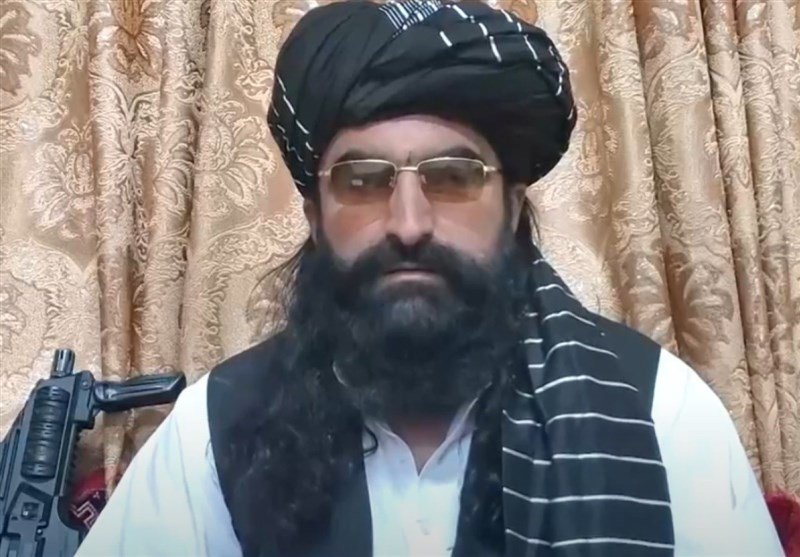
Mufti Noor Wali Mehsud, the chief of Tehreek-i-Taliban Pakistan (TTP), has reportedly been arrested in a precision drone strike in Kabul, Afghanistan. According to intelligence sources, the attack targeted a moving vehicle believed to be carrying Mehsud and his close aides late Wednesday night on the outskirts of the Afghan capital.
Also Read: Why Balochistan Needs Its Own Bank?
The strike reportedly arrested Mehsud along with at least two senior members of his group. While no state or organization has officially claimed responsibility, intelligence officials suggest that the operation had all the markings of a high-precision drone strike, possibly conducted with advanced surveillance support. Afghan authorities have yet to release an official statement regarding the incident.
Who Was Mufti Noor Wali Mehsud
Mufti Noor Wali Mehsud, also known by his nom de guerre Abu Mansur Asim, was born on June 26, 1978, in South Waziristan, Pakistan. He became the fourth emir of the Tehreek-i-Taliban Pakistan (TTP) in June 2018 after the death of his predecessor, Mullah Fazlullah, who was arrested in a U.S. drone strike in Kunar province.
Under Mehsud’s leadership, the TTP underwent significant reorganization. He successfully brought together various splinter factions, revitalizing the group’s strength and re-establishing its influence across Pakistan’s tribal regions and border areas. His tenure marked a period of increased militant activity, as the group carried out multiple high-profile attacks across Pakistan.
In 2020, the United Nations designated Mehsud as a global terrorist, citing his involvement in numerous deadly attacks that resulted in hundreds of civilian and security force casualties. He was one of Pakistan’s most wanted militants and a key figure in shaping the TTP’s post-2018 strategy.
Impact on the TTP and Regional Security
Analysts believe Mehsud’s reported killing could significantly weaken the TTP’s command structure. As the group has been trying to expand its activities in Pakistan’s northwestern regions, his death could trigger internal divisions among senior commanders. A leadership vacuum at this stage could lead to infighting or the emergence of rival factions vying for power.
However, security experts also warn that such incidents can sometimes reinvigorate militant groups, as new leaders seek to assert dominance through high-impact attacks. The situation in Afghanistan—particularly with Kabul’s limited control over rural areas—remains a potential flashpoint for renewed militancy along the Pakistan-Afghanistan border.
Pakistan and Afghanistan’s Response
While Pakistani authorities have not officially confirmed the operation, multiple intelligence reports suggest close coordination and monitoring of TTP movements in recent months. Afghan security officials, on the other hand, have remained silent, neither confirming nor denying the strike. The Taliban-led Afghan government is expected to face increased pressure to explain the presence of the TTP leadership inside its territory.
Today, the Director General of Inter-Services Public Relations (ISPR), Pakistan, is expected to brief journalists regarding the reported killing and its implications for national security. The briefing is anticipated to shed light on Pakistan’s stance and any potential follow-up actions in response to the development.
Social Media Reactions and Ongoing Speculation
News of Mehsud’s death has sparked widespread discussion across social media platforms. Many users are sharing unverified photos and videos claiming to show the aftermath of the strike, though no official visuals have been confirmed. Analysts caution against spreading unverified information until official confirmation from either side is released.
This is a developing story and further updates will follow as new details emerge. The coming days are likely to be crucial in determining how this incident reshapes the dynamics of militancy in the region and the broader counterterrorism landscape.

Comments are closed, but trackbacks and pingbacks are open.